

Project Advisory Built for Real-World Execution
BAAP Solutions helps organizations structure, manage, and deliver complex projects in challenging operating environments.
Built for Projects That Need Structure, Coordination, and Follow-Through
BAAP Solutions supports organizations working in complex environments where strong ideas need practical execution. We help clients organize the moving parts of a project, from planning, due diligence, and coordination to systems, reporting, and operational support.
Core Pillars
We support work across Energy & Infrastructure, Business Operations, and Community Development & Impact.
01
Energy & Infrastructure
Advisory, planning, and implementation support for energy access, distributed infrastructure, mini-grid, mesh-grid, and field-based deployment projects.
- Energy access advisory
- Mini-grid and mesh-grid project support
- Field-based due diligence
- Deployment coordination
02
Business Operations
Operational systems, workflows, dashboards, SOPs, fractional operations support, and financial processes that help organizations run with more clarity and accountability.
- Fractional operations support
- SOP and workflow design
- Software Implementation
- Process improvement
03
Community Development & Impact
Project support for organizations delivering practical services, infrastructure, and programs that improve access, resilience, and long-term community outcomes.
- Community-centered project planning
- Field program coordination
-Local implementation support
-Impact reporting
Selected Projects
A track record of supporting energy, infrastructure, operations, and community-focused projects
Case Study
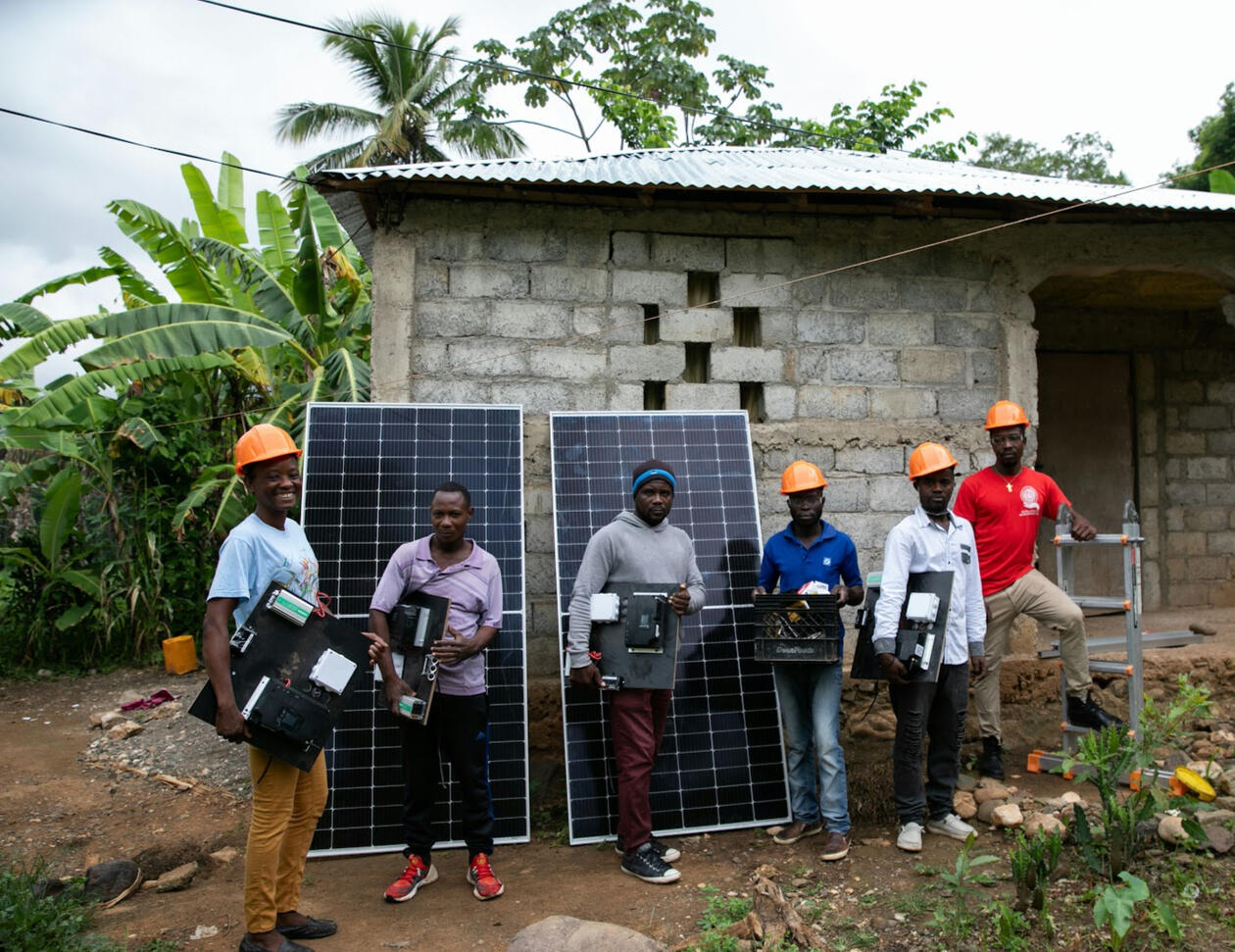
Scaling Rural Electrification in Haiti: Alina Eneji's Rapid Deployment Model
Case Study
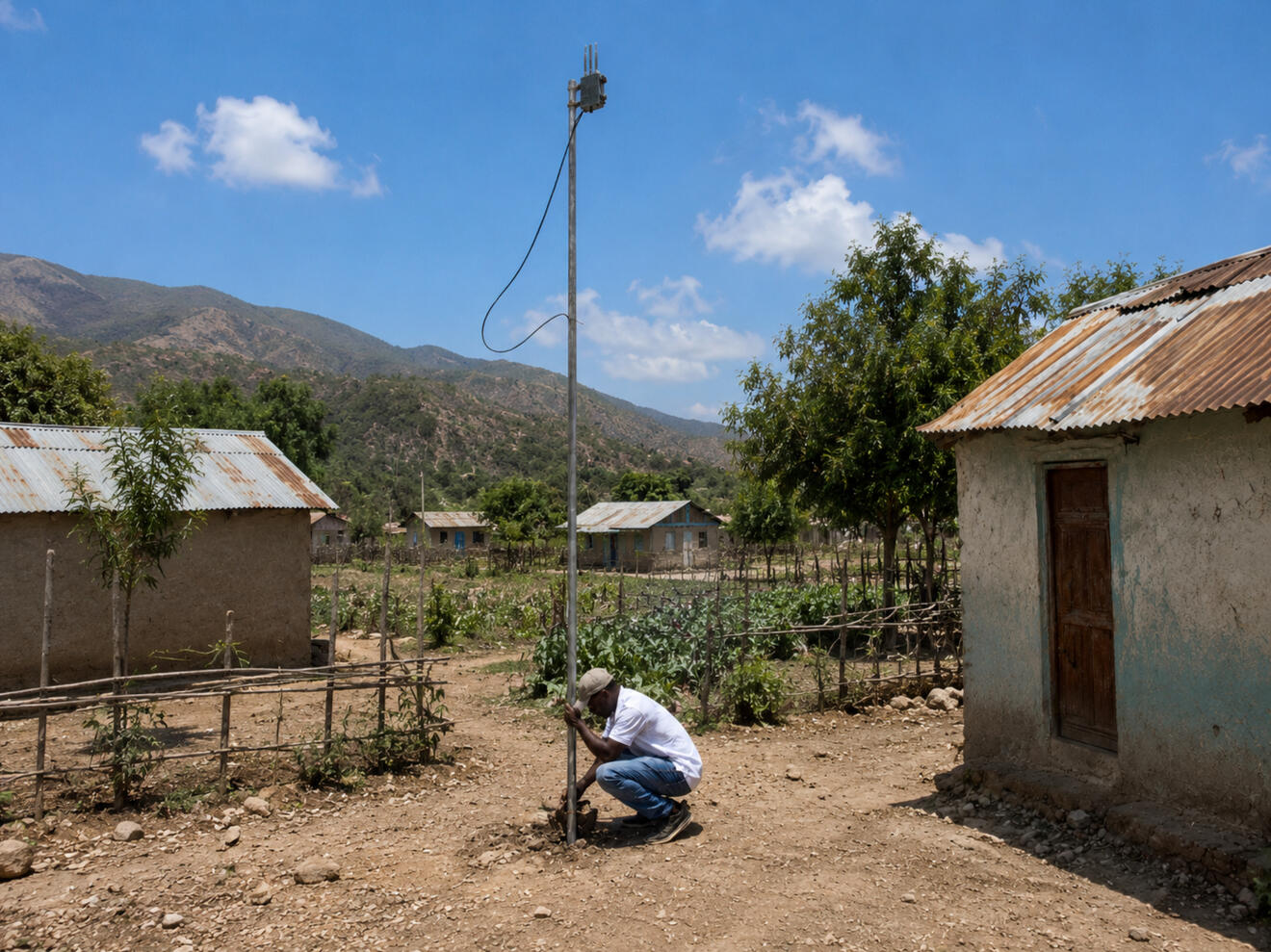
Beyond Solar Panels: Why Connectivity Matters for Last-Mile Electrification
Case Study

Rural Grid in Haiti Performs Best Without a Manager
Our Approach
BAAP Solutions combines practical advisory, field experience, and operational discipline to help clients move from planning to execution. Each engagement is shaped around the project’s needs, from site assessment and implementation support to workflow design and hands-on coordination.
Practical
Grounded in real field conditions and local execution realities.
Structured
Clear workplans, workflows, reporting, and accountability.
Hands-On
Support that stays close to implementation, not just strategy.
Let's Discuss Your Project
Have a project that needs structure, coordination, or operational support?
Let’s discuss how BAAP Solutions can help move the work forward.
Let’s Discuss Your Project
Reach out to explore how BAAP Solutions can support your next assessment, implementation, or operations improvement effort.
Phone
+509 48 11 34 72
Meet The Team

Euromina Thevenin
Founder & Principal Consultant - PM, Business Consultant
I manage projects and operations that serve real users and I consult on the systems that keep them running. At Sigora Haiti and Okra Solar, I led grid expansions and mesh-network rollouts that extended electricity to 55,000+ people by coordinating utilities, suppliers, and field teams. As founder of BAAP Solutions, I work with organizations to tighten operations, clarify financials, and deliver results in demanding markets across energy and beyond.

Ikechukwu Echefu
Senior Consultant — Strategy, Operations & Data
I’m a consultant with over a decade of experience delivering strategic, operational, and data-driven solutions across the humanitarian, energy, and development sectors. I specialize in aligning big-picture goals with efficient execution, streamlining processes, and using data to drive smarter decision-making.
I’ve worked with diverse teams and organizations across different regions, always focusing on practical solutions that lead to measurable impact. My goal is to help clients not only solve immediate challenges but also build the systems they need for long-term success.

Bianca Perez
Operations Advisor
I am an operations and procurement leader with nearly a decade of experience optimizing supply chains, improving EDI systems, and driving cross-functional initiatives. I specialize in streamlining processes, reducing costs, and implementing data-driven solutions that support organizational growth. My background includes leading RFPs, managing vendor relationships, and supporting strategic decision-making through analytics and risk mitigation. I’m passionate about building efficient, collaborative systems that empower teams and deliver measurable results.

Michena Moise
Accountant • Financial Controller
I bring a dynamic, people-centered approach to accounting. At BAAP Solutions, I focus on clear books, dependable processes, and timely insights that help the team make good decisions. My background across finance, event coordination, and recruiting helps me work smoothly with different teams and moving parts. I value clarity, consistency, and practical systems that support growth.
Our Services
Energy & Infrastructure
For energy access, distributed infrastructure, and field-based deployment projects.BAAP Solutions supports organizations working on energy and infrastructure projects that require practical planning, local coordination, and strong implementation support. We help clients understand project conditions, organize field activities, identify operational risks, and prepare for successful delivery.
SCOPE OF SUPPORT
- Mini-grid and mesh-grid project support
- Field-based due diligence
- Site visit and field assessment support
- Vendor, contractor, and stakeholder coordination
- Implementation planning and progress tracking
TYPICAL DELIVERABLES
- Site visit reports
- Due diligence summaries
- Field assessment notes
- Risk and readiness assessments
- Deployment workplans
- Implementation trackers
- Energy access strategy memos
- Lessons learned reports
Best For:
Developers, investors, NGOs, operators, and project sponsors assessing a new site, reviewing an existing project, preparing for deployment, handover, acquisition, or scale-up.
Business Operations
For growing teams that need stronger systems, clearer workflows, and operational support.BAAP Solutions helps organizations strengthen the way they work. We design practical operating systems, workflows, dashboards, SOPs, and reporting tools that improve visibility, accountability, and day-to-day execution. We also provide fractional operations support for teams that need ongoing structure and follow-through without hiring a full-time operations lead.
SCOPE OF SUPPORT
- Fractional operations support
- Operational workflow design
- SOP development
- Process improvement
- Project tracking systems
- Finance and admin workflow support
- Dashboard and KPI planning
- Internal reporting structures
- Team coordination and follow-up systems
TYPICAL DELIVERABLES
- SOPs and process manuals
- Workflow maps
- KPI dashboards
- Project trackers
- Admin and finance trackers
- Reporting templates
- Process improvement plans
Best For:
Growing businesses, consulting teams, project teams, energy operators, and organizations that need stronger internal systems for delivery, reporting, coordination, finance, and day-to-day operations.
Community Development & Impact
For projects designed to improve access, resilience, and long-term community outcomes.BAAP Solutions supports community-centered projects that require local coordination, practical implementation, and clear reporting. We help organizations plan, organize, and manage initiatives that serve communities, especially in complex or resource-constrained environments.
SCOPE OF SUPPORT
- Community-centered project planning
- Field program coordination
- Stakeholder coordination
- Local implementation support
- Community and customer engagement support
- Program operations support
- Monitoring and reporting support
- Impact documentation
TYPICAL DELIVERABLES
- Community implementation plans
- Stakeholder trackers
- Field reports
- Impact summaries
- Program coordination tools
- Community engagement notes
- Monitoring and reporting templates
- Lessons learned reports
Best For:
NGOs, foundations, social enterprises, infrastructure developers, and local organizations delivering projects that require community engagement, field coordination, implementation support, or impact reporting.
Beyond Solar Panels: Why Connectivity Matters for Last-Mile ElectrificationA field lesson from an OkraNet/Wi-SUN pilot in OPOTO, Haiti

By: Euromina Thevenin - June 25, 2026
The Operational Challenge
In many last-mile energy markets, installing solar equipment is only part of the challenge. Once systems are deployed, operators still need to monitor performance, diagnose faults, manage payments, and keep customers connected. But the same communities that are hardest to electrify are often also the hardest to connect digitally.
Weak or inconsistent cellular coverage is not only a telecom problem. For off-grid energy networks, it can affect billing, maintenance, customer service, and system uptime.
Haiti offers a clear example of this broader challenge. In many rural areas, cellular signal can change from one provider to another, from one road to the next, and even from one household to its neighbor. Some areas may have a usable signal, while others nearby may sit in dead zones. For an energy company operating an off-grid energy network, this creates a serious problem: if the system cannot communicate, the operator loses visibility.The OPOTO OkraNet pilot, operated by Alina Eneji in partnership with Okra Solar, provides a practical example of this wider operating reality.
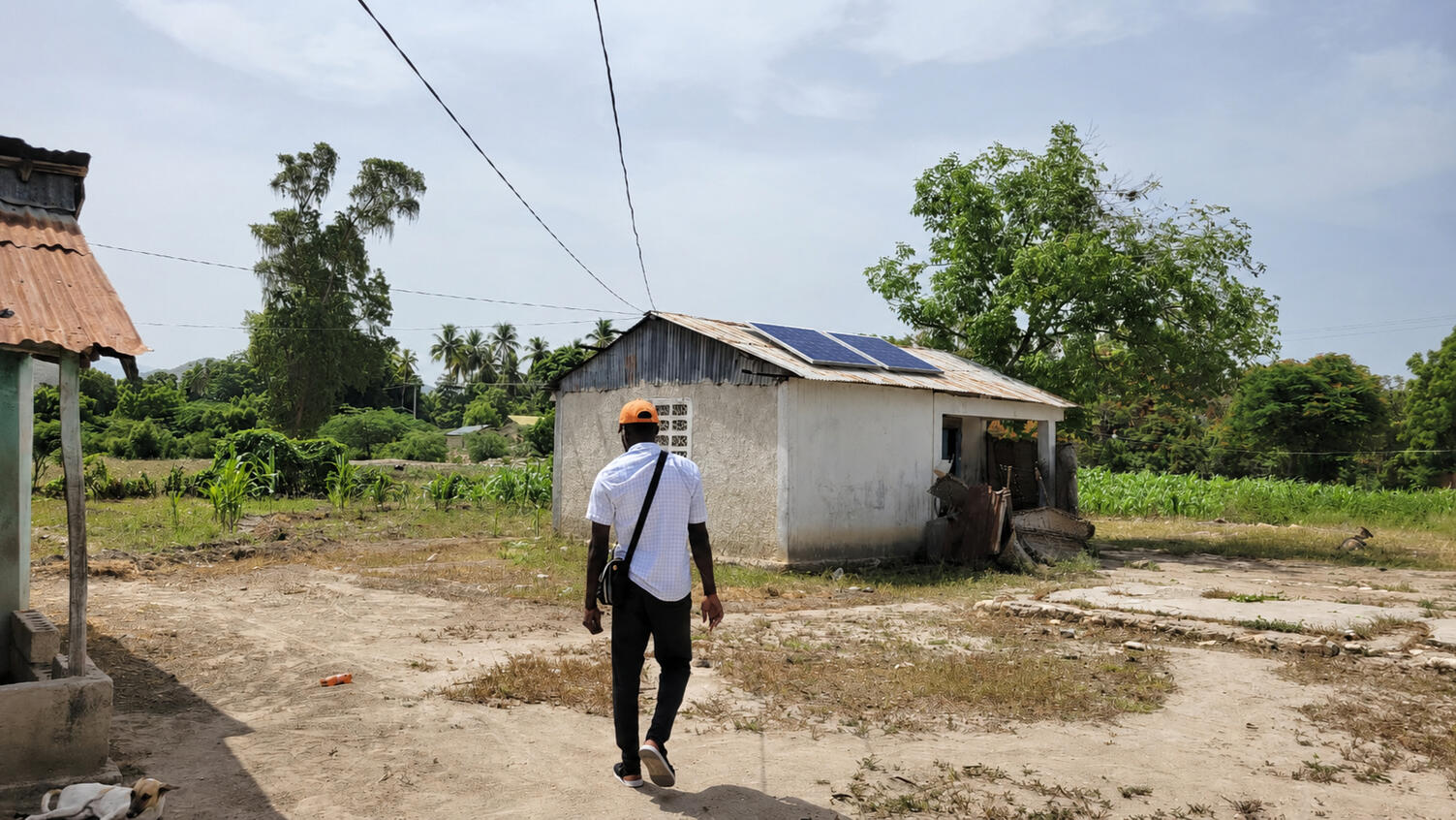
The Bottleneck: Individual SIM Connections
The original setup relied on individual SIM cards in each Okra Pod. An Okra Pod is the smart device installed at the household level to support monitoring, control, and energy management.Because local cellular coverage was inconsistent, some Pods frequently lost connection. In this type of system, connectivity is not just for reporting data. It is part of how the system is monitored and controlled. If a household remains offline for too long, it can shut down as a safety and billing control measure. That means a telecom issue can turn into an electricity outage.For the operator, this creates a difficult cycle. A device loses signal, the platform loses visibility, the customer may lose service, and a technician may need to travel to the site to restore normal operations. In rural and low-connectivity environments, this type of reactive model is difficult to scale.
The Solution: OkraNet/Wi-SUN Mesh Connectivity
To improve connectivity and reduce service interruptions, Alina Eneji selected 30 households from its broader portfolio in OPOTO for an upgrade to OkraNet, Okra’s Wi-SUN-based mesh connectivity network.
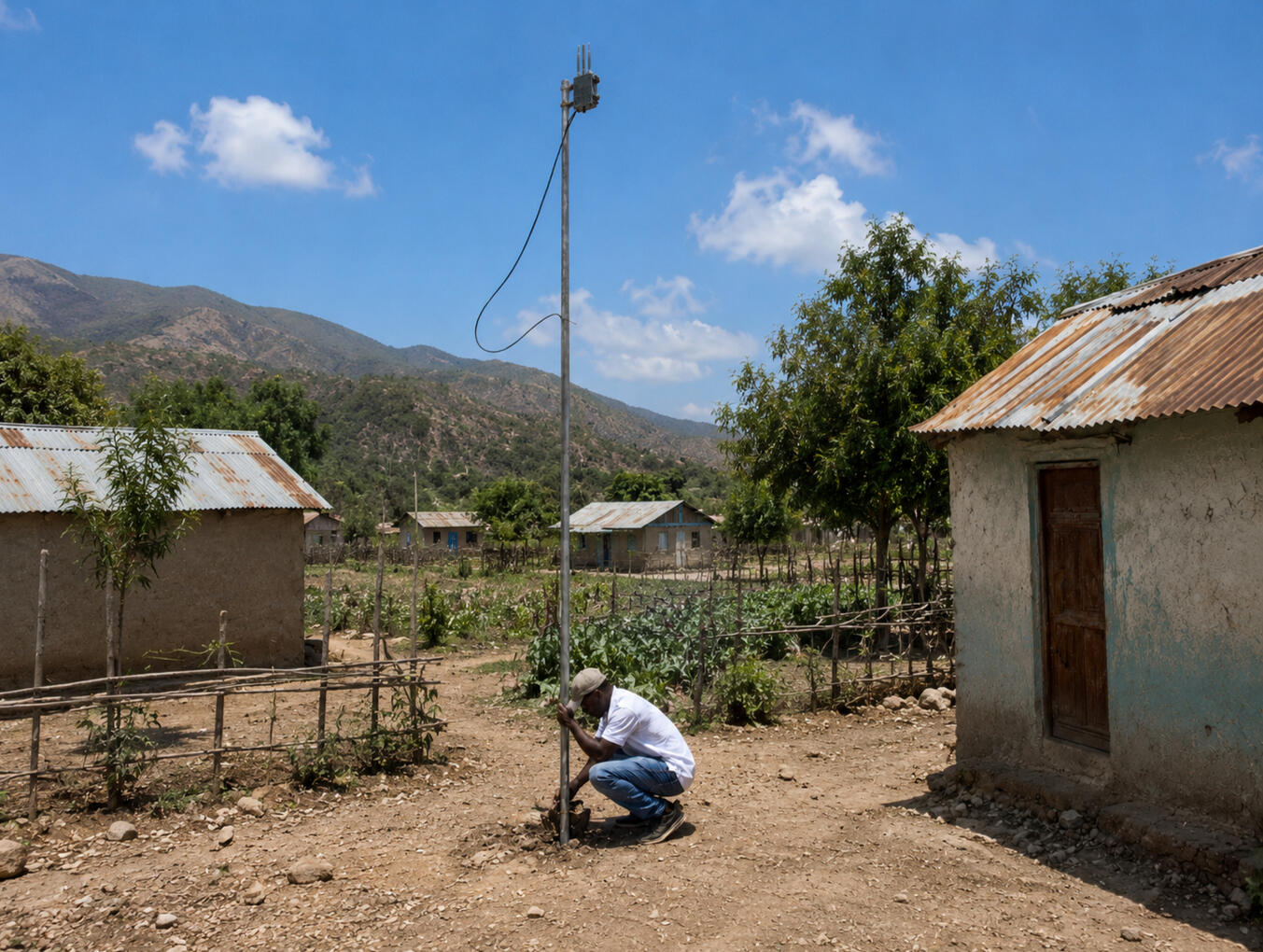
Instead of requiring every household to maintain its own cellular connection, OkraNet uses a central Beacon as the internet gateway for the local Wi-SUN mesh network.The Beacon can be placed where cellular signal is strongest, or connected through satellite backhaul where cellular coverage is unavailable. The surrounding Okra Pods then communicate locally through the mesh network, allowing households in weak-signal areas to stay connected. Okra’s Beacon V2 can support up to 200 households, depending on final network design, household spacing, terrain, and beacon placement.In the OPOTO, this meant the Beacon could extend connectivity to households that would otherwise be difficult to reach through individual SIM connections.
Performance and Financial Impact
The transition to OkraNet/Wi-SUN created clear improvements during the OPOTO pilot.
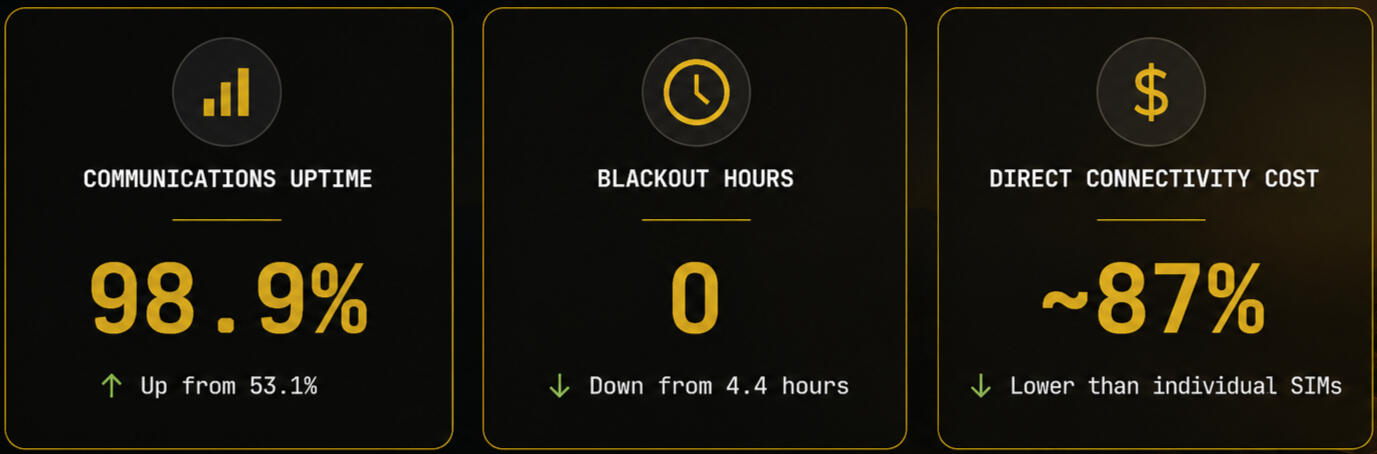
After the OkraNet/Wi-SUN upgrade in OPOTO, communications uptime reached 98.9%, blackout hours fell to 0, and direct connectivity costs dropped by approximately 87%.
These numbers matter because they point to something bigger than technical performance.Higher communications uptime means the operator can see the system more consistently. Zero blackout hours means customers are less likely to experience avoidable interruptions caused by connectivity loss. Lower connectivity costs mean the model becomes easier to scale.But the real value is reliability.Reliable connectivity helps the operator detect issues earlier, support prepaid billing, reduce unnecessary technician visits, and keep the service running.
Why This Matters at Scale
The pilot-level savings may seem modest on their own. But the impact becomes much more meaningful as this technology is considered across a larger portfolio.
Using Beacon V2 capacity of up to 200 households per Beacon, a 5,000-household portfolio could significantly reduce direct connectivity costs compared to managing individual SIM plans for every household.
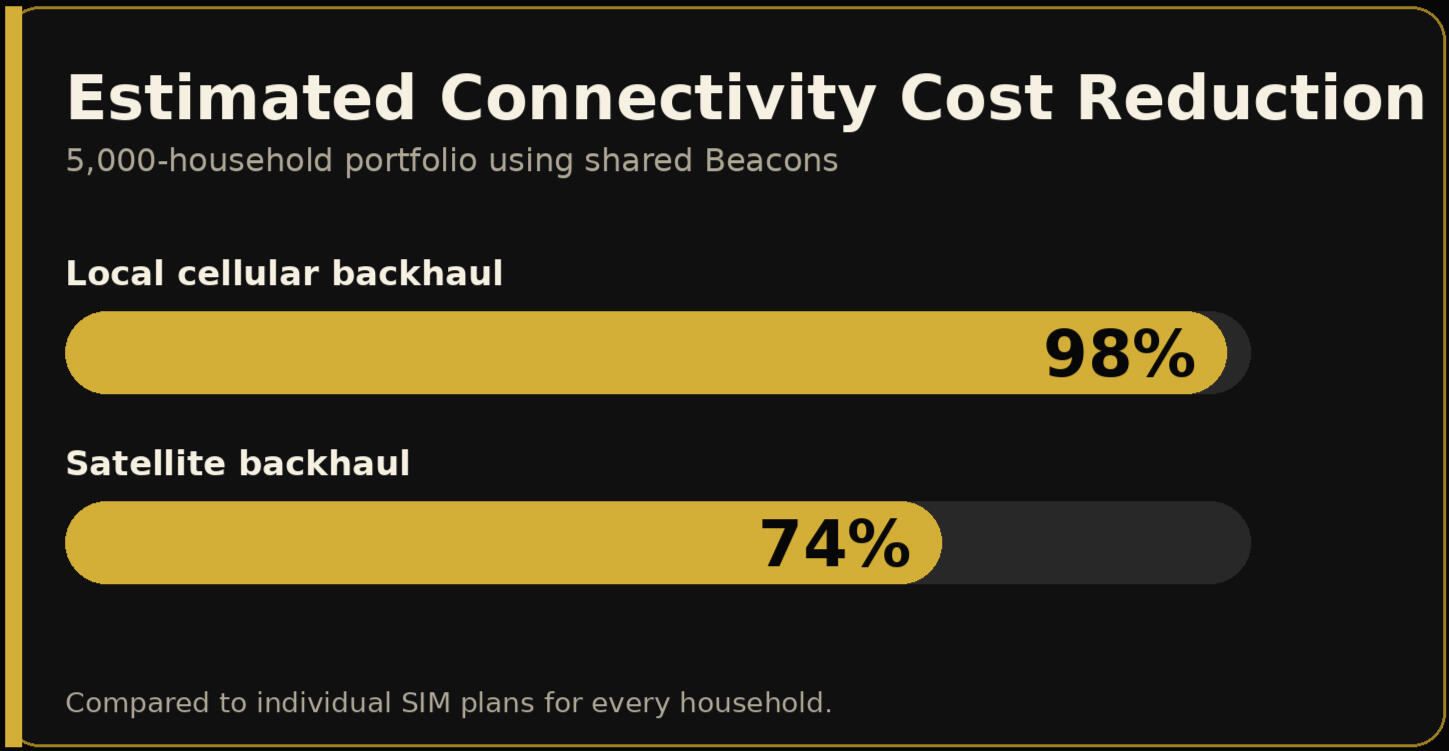
Estimated direct connectivity cost reduction for a 5,000-household portfolio using central OkraNet/Wi-SUN Beacons. Actual savings may vary by network design, backhaul method, and field conditions.
Where reliable cellular coverage is available, central Beacons using local cellular backhaul could reduce direct connectivity costs by approximately 98%.Even in areas with no reliable cellular coverage, the Beacon can connect through satellite backhaul. In that scenario, the same 5,000-household portfolio could still reduce direct connectivity costs by approximately 74% compared to individual household SIM plans. The savings are not only financial.Moving from thousands of individual SIM cards to a smaller number of central OkraNet/Wi-SUN Beacons also reduces operational complexity. Instead of managing thousands of SIM cards, monthly plans, top-ups, provider issues, and household-level connectivity failures, the operator can manage connectivity through strategically placed shared gateways.That simpler communications layer can make a distributed energy portfolio easier to monitor, maintain, and scale.
From Pilot to Scalable Service
For the families connected in OPOTO, the value of this pilot is not just better data or better network performance. It is a more reliable service.
When connectivity improves, the operator can see problems sooner, respond faster, and reduce avoidable interruptions. That matters for the household charging a phone, the child studying at night, the small shop keeping lights on, or the family depending on a fan after a long hot day.OPOTO is the pilot site, but the lesson is not limited to Haiti. In many rural and low-connectivity markets, energy access companies face the same challenge: how to operate off-grid energy networks when individual cellular connections are unreliable or difficult to manage.Reliable connectivity helps turn a solar installation into a dependable electricity service. For communities at the last mile, that is the real promise of energy access.
This pilot was operated by Alina Eneji, powered by Okra Solar’s OkraNet/Wi-SUN technology, and supported by BAAP Solutions for project management and field coordination.
Rural Grid in Haiti Performs Best Without a Manager

By: Euromina Thevenin
Background
In 2020, I was overseeing operations across three rural grids in Haiti. When the director of one of those grids left the company, I saw an opportunity to try something different. Rather than hiring a replacement, I decided to restructure that grid’s operations entirely. This gave me a rare chance to compare performance across different management models: one grid with decentralized leadership, and two with traditional, director-led oversight.
The Problem
- Technicians expressed the need for salary increases, highlighting a lack of incentive tied to performance.- Oversight was overly centralized in one manager.- Technicians had limited input into decision-making processes.- Instances of energy theft and payment delays were on the rise.- Reporting was often delayed or incomplete.- Community frustrations were directed at a single person, creating unnecessary tension.
The Approach
To address these issues, I implemented a decentralized accountability model:- Compensation was tied to zone performance, aligning incentives with outcomes. This was supported by savings from the unfilled director role and increased revenue.- We did not hire a new grid director.- Each technician was assigned a distinct geographic zone, making them fully accountable for their area.- Responsibilities included maintenance, repairs, customer collections, and managing energy theft.- An administrator provided back-office support, but technicians handled daily operational tasks directly.
Why I Restructured Instead of Replacing
“Hiring a new director would’ve reinforced a broken structure. I chose to build a better one.”
The former leadership model relied heavily on top-down control. While it provided some structure, it often slowed responsiveness and discouraged input from technicians-those closest to the fieldwork.In many Haitian organizations, a hierarchical approach to management is common. While this can offer clarity, it also restricts upward communication. But for decentralized, community-based infrastructure like rural grids, timely feedback from field teams is essential. Our restructure aimed to replace control with collaboration.Previously, the grid director acted as the sole point of communication with upper management. This created an incentive to filter or polish reports, sometimes withholding customer complaints or service issues to avoid scrutiny. By removing that layer and opening direct reporting channels, we improved both decision-making and field-level responsiveness.Responsibility was distributed across the technician team, relieving pressure on any single person and strengthening relationships with the community. The restructure also helped reduce conflict, increase visibility into local issues, and foster a greater sense of ownership among the team.Hiring a more collaborative manager was a possible alternative. But recruiting and onboarding the right candidate would have taken significant time and risked reintroducing the very dynamics we were trying to avoid. Meanwhile, giving the technicians direct accountability delivered immediate and meaningful results.
The Outcome (and Why It Worked)
Comparative performance advantage: Compared to the two other grids still operating under traditional management, the grid without a director showed notable advantages in responsiveness, revenue collection, and field-level ownership. This provided a live comparison and strengthened the case for decentralized management.Compensation aligned with performance: The introduction of performance-based pay gave technicians a clear incentive to take responsibility for their zones. This alignment helped sustain the improvements across collections, theft prevention, and reporting.Revenue increased through improved collections: Technicians, responsible for specific zones, developed stronger relationships with customers, resulting in more consistent follow-ups and timely payments. Without an intermediary director, collections became transparent and efficient. Aging receivables for postpaid customers notably decreased from 30-90 days to 0-30 days due to direct accountability and prompt customer follow-ups.Energy theft decreased due to local oversight: Technicians regarded their zones as personal responsibilities, prompting proactive monitoring and swift action against tampering or theft. Their close community engagement significantly deterred illegal activities.Improved team morale: Empowering technicians with greater autonomy and performance-based compensation made them feel valued as vital contributors rather than merely workers. Ownership of their zones provided a clear sense of pride and purpose.Faster decision-making: Removing managerial layers streamlined communication and allowed technicians to directly address issues. This eliminated approval delays and enhanced responsiveness.Enhanced transparency and fair recognition: With clearly defined zones, it was easier to identify who excelled and who required additional support. Additionally, customer feedback was actively received, reported promptly, and effectively utilized to improve service quality and operational responsiveness. Evaluations became more precise, enabling targeted training and fairer recognition.
Conclusion
This experience highlights how alternative leadership structures can outperform traditional models in certain operational environments. By shifting from hierarchical control to shared accountability, the team became more responsive, empowered, and effective.The opportunity to compare three grids, two with directors and one without, provided rare insight. Most notably, the grid without a director outperformed the two with traditional management in key metrics such as responsiveness, collections, and ownership. It is a case that supports rethinking leadership as not just a role, but a system design.The technicians we worked with were exceptionally diligent and committed. When given a clear purpose and when their contributions were valued, they consistently rose to the occasion with integrity and initiative. The results were a direct reflection of what happens when leadership is distributed, not diminished.